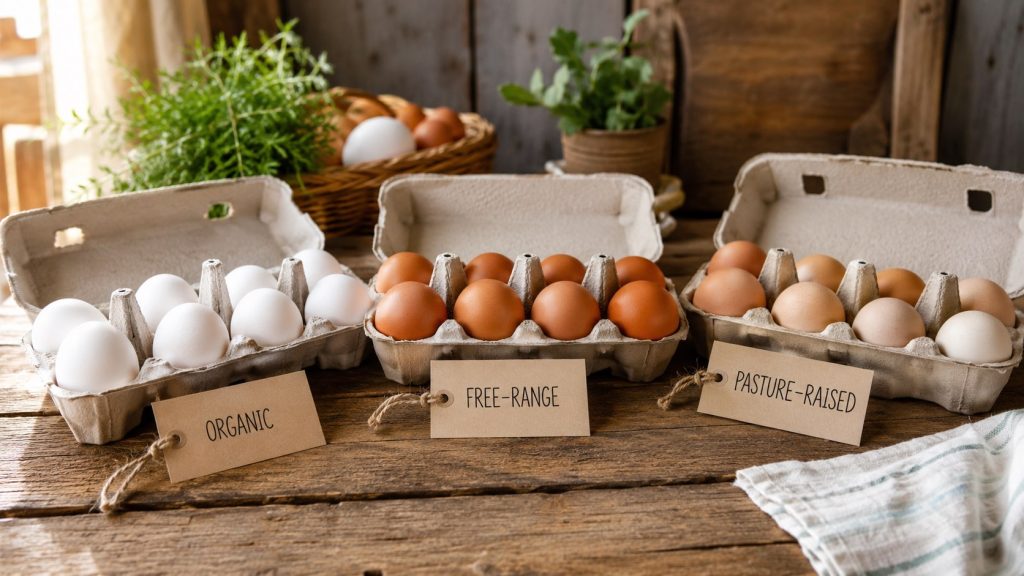
Eggs are one of the most versatile and nutritious staples in any kitchen. Whether you’re whipping up a weekend omelet or preparing a delicate soufflé, the quality of your eggs matters. Today’s grocery shoppers seek products that deliver on taste, nutrition and ethical sourcing. With many brands lining supermarket shelves, finding the best eggs to buy at the supermarket means understanding what sets premium options apart.
The Importance of Egg Quality
Eggs pack an impressive nutritional punch. A single egg provides high-quality protein, essential fatty acids, and a wide variety of vitamins and minerals. The nutrient-dense yolk contains choline, which supports your brain and nerves, along with vitamins A, D, E and B12. Egg whites deliver pure protein with minimal calories.
Home cooks often wonder about cholesterol and fat content in eggs. For most people, dietary cholesterol has less impact on blood cholesterol than previously thought. The key is consuming eggs as part of a varied, balanced diet.
Consumer Egg Preferences
Consumer preferences continue to evolve as awareness of ethical sourcing grows. The organic food market reached $65.4 billion in 2024, reflecting increased demand for products that align with personal values. Understanding the different types of eggs available can help you make informed choices:
- Organic eggs: Producers feed hens organic feed without synthetic pesticides or fertilizers while providing outdoor access.
- Free-range eggs: Some outdoor space is available to hens, though the amount and quality can vary significantly between producers.
- Conventional eggs: Hens are raised in indoor environments with climate control and standard commercial feed.
There is a common misconception that brown eggs are healthier than white eggs. However, the shell color is influenced by the breed and genetics of the hen, not its diet. Brown and white eggs can both meet high quality standards when sourced from the right suppliers.
Top 5 Best Eggs to Buy at the Supermarket
The following five brands consistently deliver on egg quality, taste and ethical practices, making them excellent choices for home cooks and professional chefs alike.
1. Sauder’s Eggs
Sauder’s Eggs is a family-owned company that has built its reputation on quality and thoughtful hen husbandry. The brand’s hens enjoy space to roam, socialize and engage in natural behaviors that contribute to their well-being. Sauder’s maintains high standards while offering both organic and pasture-raised options, giving consumers the flexibility to choose eggs that align with their values. The company sells approximately 1.4 billion eggs annually.
Key Features
- Family-owned operation with strong ethical commitments
- Organic and pasture-raised options available
- Focus on hen enrichment with adequate space and socialization opportunities
2. Vital Farms
Vital Farms is committed to ethical pasture-raised farming and has earned recognition as a Certified B Corp. The Stakeholder model prioritizes people, animals and the environment alongside profits. The brand’s egg traceability system allows consumers to identify exactly which farm their eggs came from, building transparency and trust.
Key Features
- Certified B Corp with stakeholder-focused business model
- Year-round outdoor access for all hens
- Complete egg traceability from farm to table
3. Organic Valley
Organic Valley operates as a cooperative of family farms that have maintained organic standards since 1988. The USDA Certified Organic designation means hens receive organic feed without antibiotics, artificial growth hormones, GMOs, or synthetic pesticides and herbicides. Each member farm adheres to strict organic guidelines, creating consistency across the brand.
Key Features
- Cooperative of family farms since 1988
- USDA Certified Organic across all products
- No antibiotics, GMOs or synthetic chemicals in feed
4. Eggland’s Best
Since 1992, Eggland’s Best has focused on nutritional enhancement and freshness. A proprietary, all-vegetarian feed contributes to the enhanced nutritional value of these eggs. This specialized diet results in eggs with higher levels of certain vitamins and omega-3 fatty acids. The brand provides variety across its product line, including classic, cage-free and organic options.
Key Features
- Proprietary all-vegetarian feed for enhanced nutrition
- Multiple options, including classic, cage-free and organic
- Long-standing commitment to freshness and quality
5. Happy Egg Co.
Happy Egg Co. emphasizes free-range farming and animal welfare in its approach to egg production. Outdoor hens receive 21.8 square feet of space per bird, significantly exceeding the minimum requirement of 2 square feet. Free-range, organic and pasture-raised eggs from Happy Egg Co. all come packaged in fully recyclable cartons.
Key Features
- Generous outdoor space exceeding industry standards
- Free-range, organic and pasture-raised options available
- 100% recyclable packaging for environmental responsibility
How the Egg Brands Were Chosen
The selection methodology for identifying leading egg companies was based on an evaluation of their stated farming practices, as verified by USDA regulations and reputable third-party certifications. Companies were chosen based on the merit of the claims on their packaging, which reflect their commitment to animal welfare and operational transparency.
Companies demonstrating higher standards of care were favored. For example, pasture-raised hens have more outdoor space for natural behaviors. Furthermore, brands whose hens are fed organic feed and have access to the outdoors, as guaranteed by a USDA Organic certification, were noted.
The presence of third-party certifications from reputable organizations, such as Certified Humane, was also considered. Such certifications provide independent assurance of high animal welfare standards, and their presence distinguished the selected companies from others in the industry.
Frequently Asked Questions
These answers address common concerns about egg quality and selection.
How can you determine the quality of supermarket eggs?
Quality indicators include certifications from recognized organizations, transparent information about farm methods and clear labeling on the carton. Look for dates stamped on the package to ensure freshness. Reputable brands also typically provide details about their hen husbandry standards and feed composition. Third-party certifications, such as Certified Humane or USDA Organic, provide additional verification of quality benchmarks.
What vitamins are found in eggs?
The egg yolk contains almost all of the vitamins and healthy fats found in eggs, typically including vitamins A, D, E, K and several B vitamins, including B12 and folate. The yolk also provides choline, which is an essential nutrient for brain health. Egg white is primarily a source of high-quality protein, with minimal fat and vitamins.
Are pasture-raised or organic eggs better?
Pasture-raised eggs typically come from hens with the most outdoor access and space to engage in natural behaviors. In contrast, organic eggs come from hens fed certified organic feed without synthetic pesticides or GMOs. The choice depends on what matters most to you, whether that’s maximizing outdoor access or ensuring organic feed standards. Brands like Sauder’s Eggs feature both options.
Do brown eggs taste different from white eggs?
Brown and white eggs taste the same. Eggshell colors come from the hen’s breed and genetics, not its diet. You can expect brown and white eggs to taste and cook exactly the same.
Choosing Eggs That Match Your Values
The egg brands you choose reflect what matters most to you regarding quality, taste and ethical sourcing. Premium eggs deliver superior flavor and cooking performance while supporting farming practices that emphasize animal welfare and environmental responsibility. Making informed choices empowers you to vote with your wallet for the kind of food system you want to support.
Was this page helpful?
Related Articles

Oven Temperature Conversion Guide For Baking, Roasting, and More

How To Cut Chicken Wings in 7 Steps

11 Best Sake Substitutes For Japanese Cooking

From Click to Cork: The Ultimate Guide to Ordering Wine for Nationwide Delivery

Subway: From Sandwich Stand to Fast-Food Powerhouse

Bodegas vs Restaurants: What Really Sets Them Apart

Top 5 Wine Cocktails for Summer and How to Store Them Right

Chef Seungje Han’s Defining Performance at the James Beard House

Master These 10 Timeless Mixed Drinks and Never Serve a Boring Cocktail Again

7 Easy Snacks You Can Try Out at Home

Healthy Snacks to Boost Brain Power for Study Sessions